Showing posts with label pesticides. Show all posts

Saturday, November 21, 2020

The Winter War Begins...


The floors in my house are white, with the exception of the newly re-finished living room floor which is now an amber wood color. People always grimace when they see the floors and ask, "Aren't they hard to keep clean?" I think white floors would be difficult for someone who never cleans, but I clean all the time.


When I first moved here I was talked into staining the floors a dark brown, so dark it was almost black. I hated it. Besides the fact it was dark which can be pretty dreary during our dark, wet, cold winters, I couldn't see the spiders. It freaked me out they could sneak up on me. So I stripped the floors and painted them white. The kitchen, laundry, mud room and downstairs bathroom are all white tile. I can see those black creepy little bodies a mile away now!

Yes, I love white tile. It's easy to wash. It's like doing dishes. And I don't have cats, dogs, kids or men walking in and out of my house with dirty shoes. I don't even wear shoes in the house.  I have no desire to track not only mud into my living space, but pesticides, herbicides or dog shit. Lately, I've had too many people complain when I ask them to take off their shoes, but I have yet to have anyone volunteer to clean the floors before they leave. I am tempted to post a sign on my door that says, "REMOVE YOUR FUCKING SHOES!" I am so tired of arguing with these people.


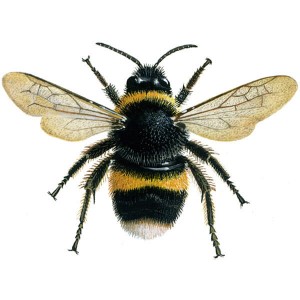
Will I ever experience a winter without a war? Summer wars include bumble bees, yellow jackets, hornets and wasps. Every winter larger animals move in and I've been infiltrated by opossums, mice, rats, and one year I had a cat living under my house. Looking back I think that cat was probably managing the rats, but hearing it run around the crawlspace all night did not give me comfort. It's a struggle to get rid of the freeloads and try to do it safely for both myself and the vermin. So far this year the critters have stayed away. (Knock on wood.)


This year it's ANTS! First time in fifteen years. If it wasn't for my white tile counter and floor, I probably wouldn't have seen them until they took over the whole kitchen and ended up in the food. They are so tiny they are nearly microscopic. They were coming in through under a window ledge (I think) in the pantry, traversing across the counter, down the cupboards, across the floor and up the garbage receptacle which is in the kitchen just outside the pantry. Thankfully, I don't keep food in the pantry - just toilet paper. Again, thank GOD for my white tiles or I might have never noticed them until it was a real mess.

So, how to get rid of them without poisoning myself? First, I cleaned out the garbage container and moved it to the other side of the kitchen up on a chair. They didn't like that and started marching INTO my lower cupboards searching for tasty treats. UGH! No snacks in those cupboards but I had to clean everything stored in there. (What a pain!)

I needed to try some natural deterrents, remedies that wouldn't poison me and would just keep them from wanting in the house. I read like spiders they hate peppermint so I washed the tiles down with peppermint oil. That worked for a couple hours then they were back. I kept washing, and they kept coming back. Not working.


I read vinegar will kill them on contact and deter them. I tried that, but I know vinegar can eat tile so I wasn't thrilled with the idea. I tried it once and it didn't faze them at a all, in fact, their troops seemed to multiply.

Cayenne pepper. In another dwelling I had an ant problem, bigger ants coming in from the garden into my ground level apartment. I tried all kinds of things and the only thing that worked was cayenne pepper in a line on the edge of my patio. But how do I place bright red cayenne pepper on my beautiful white tiles and grout without staining it? I tried putting it on just the tiles, but the ants just walked around it. Not working.

After a week of battle, I was at my wits end. I was done trying to deter them. It was time to bring out the big guns. I've used boric acid for cockroaches when I lived in Phoenix and it works great but you can't just leave a pile of it and expect them to eat it. They are smart. They won't. You have to dust their trails with it so they only walk in it. After the cockroaches clean themselves by licking it off their feet, they are dead. Boric acid is also toxic to kids and pets, and if you stick your hands in it and then eat it, poisonous to adults, too. I tried it on the big ants in my former apartment, but I don't think I did it right. I found a recipe online:

Wearing gloves, mix 8 teaspoons of sugar with 1 cup of warm water in a container you plan to throw away or can clean really well after. Instead of sugar, you can use maple syrup, molasses, honey, or anything you might have around the house that is sweet and yummy. Add 1/2 teaspoon of boric acid and mix well. Using cotton balls, soak up the mixture and place where the ants are coming in. I also added a bit of coconut flour because I figured if ants want to carry it back to the nest, they would poison the other ants.

I put the cotton balls on little pieces of plastic to 
keep them off the tile.

I also placed a small container under the house below where the window is located.   I also caulked around the window ledge, but I did worry they'd find another way in. Annihilating them seems to be the only solution as they are relentless.

They loved it. Yum. It took about 24 hours for the ants to all disappear, with a few stranglers every now and then. I've left the poison balls on the counter just in case...for now.


Sunday, February 17, 2019

Conventionally-Grown Pesticide-Saturated

The Guardian published the article, "What the Pesticides in Our Urine Tell Us About Organic Food" by Kendra Klein and Anna Lappe. It was posted on the Organic Consumers Association website.

In summary, a study was done on how eating organic food affects the pesticide levels in a person's body. They had four families eat a non-organic diet then switched to an organic diet. Fourteen common pesticide chemicals were tested.

Malathion was created during World War II as a nerve agent and is one of the more toxic chemicals still commonly used in the United States. It contributes to autism, learning disabilities, reduced IQs in children, or general brain development issues and dysfunction. There was a plan to ban malathion, but the Trump administration circumvented it. (What a surprise, eh?) This study showed after switching to an organic diet, the levels of malathion dropped significantly...95%! Wow.

Pesticide chemicals are linked to hormone disruption, infertility, Parkinson's, depression, Alzheimer's, cancer, and many other health issues. I ate pesticides for years. Did it contribute to my chemical sensitivity. Probably.

I wonder how an organic diet has impacted my health. I know at the very least I don't get sunburned and I do contribute that to my non-chemical lifestyle which includes eating only organic food. This might seem a minor point, but as a redhead, I should fry in the sun in a very short time. Not anymore!

Some people have claimed (in a whiny voice, mind you) that organic food doesn't taste any different so what is the point. I understand - they are unenlightened and have no concept of chemicals or health. I know if I eat non-organic food I have symptoms that range from headaches to intestinal cramping to exhaustion to nausea or all of the above. How many people experience headaches and just chalk it up to stress or any number of plausible excuses? Fatigue is a common problem for most of society. Unfortunately, people just aren't making the connection.

Chemicals are killing us. If you're still eating a non-organic, conventionally-grown, pesticide-saturated diet, at the very least your brain is SCREWED! I know people who take supplements or do brain exercises in anticipation of age-related brain function problems as a desperate attempt to control memory issues or dementia. As I've said many times, supplements are snake oil. Maybe they counteract the impact of chemicals, but I doubt since so many of them use chemicals for processing. The best solution: GO ORGANIC!

You can read the full article HERE (If it's still accessible.)


Friday, December 7, 2018

Coconut Oil as Insect Repellent

I just read this article from the Environmental Health Bulletin, December 2018:

Coconut Oil Better Than DEET to Fight Insects

A team of researchers led by entomologist Jerry Zhu with the USDA's Agricultural Research Service Agroecosystem Management Research Unit analyzed data using coconut oil compounds against biting insects and bedbugs. Their data revealed the compounds had a strong repellency against mosquitoes and ticks. By comparison, DEET was only fifty percent effective against biting flies, while the coconut oil compound was more than ninety-five percent effective. The researchers compared the coconut oil compound against DEET on bedbugs and ticks and found DEET lost effectiveness after three days while the coconut oil compound was effective in repelling bedbugs and ticks for nearly two weeks.

The link to the research article is HERE

Natural remedies are very cool.

Friday, December 15, 2017

Christmas Tree Syndrome


Do you have a living Christmas tree in your house? Think again!

HERE is an article about mold issues and Christmas trees.

No mention of the pesticides that are used on them. Although I don't know what organic tree farm uses to control insects, I was once told without some kind of bug control Christmas trees are covered in aphids. I would not want a bunch of bugs crawling around in my house either!

Artificial Christmas trees made with synthetics and plastics offgas toxic fumes. Some of these synthetic materials are also coated in lead-based plastics for strength that come off on your hands. This is a common material for Christmas light wiring. Over time these materials start to disintegrate leaving toxic dust all over the house. Check the labels on the boxes for health and safety warnings.


Again, only California cares about the health and safety of American citizens!

My little fake Christmas tree is made with bendable wire and synthetic needles. It doesn't stink.

Gold-or-Black-Metal-Elegant-Scroll-Christmas-Ornament-Display-Tree-Decor-3-SizesI think metal Christmas trees are the answer. They don't smell as good, but they are safe. Hang some fancy glass ornaments and good to go!


Monday, August 24, 2015

Stinging Critters and Death Traps

I have yellow jackets living in my house. They aren't swarming around inside yet, but I can see where they are entering through a small hole under the outside molding. How big is the nest and where it's located, whether in the walls or floors or crawlspace, I have no idea. I would, however, like a house with less holes in it. I can see hundreds of yellow jackets going in and out all day long constantly. This is much like it was with the bumble bees last year. Problem is yellow jackets are vicious and I've been told they will fly all the way across the yard just to attack a person. Great.

Case in point, about two weeks ago I was out trimming back my daisies and buzzing critters were all over as usual. I didn't think anything of it. I plant bee-attracting flowers and I've never had a problem. Honey bees are very friendly and sweet. One buzzer started aggressively flying around me in a hostile fashion unlike a normal honeybee. I kind of backed away and he went away. I continued cutting the flowers. He didn't like that, landed on my arm, and bit me! Not a sting just a painful bite as a warning I guess. Totally premeditated. Very much like a yellow jacket and since I saw him close up, I can confirm it was a yellow jacket.  I got the message and left.

A few days later I was trimming the daisies in another part of my garden while keeping a close eye on my cutters which are quite sharp. I should have been watching where I placed my hand and I grabbed something with a stinger! I hadn't got stung since I was a kid. I don't remember it feeling like being electrocuted. With LOTS of pain. I used some baking soda and crushed plantain weeds and the pain and swelling subsided immediately leaving a red mark that itched for days. Then yesterday as I was out in the garden my neighbor's little three-year old granddaughter started howling high-pitched screams of terror, each one louder than the last. Yep, something stung her. I've noticed any time I wear my purple t-shirt, I get buzzed too close for comfort. I decided to take action.

I don't want to use smelly, toxic poison as I don't know if it will infiltrate into my inside air space so I got online and searched for ways to kill them. There are many instructions on how to build a homemade trap, but from what I understand this will just trap the workers and leave the queens to nest over the winter IN MY HOUSE! Hmmm...I may have to get some poison eventually, but I'll try this worker trap first.

I used a one-gallon plastic water jug. With an exacto knife or sharp instrument, cut an X into the sides of it, bending the sharp bits so they go inside. Make sure the holes are big enough to allow the yellow jackets in, but not too big so it's easy for them to get out. You want some to crawl out that way they'll go back to the nest and tell their friends about the yummy treats.


Next, make an attractant. In the spring yellow jackets are in need of protein so a piece of raw meat hanging from the top works well. Put a few inches of water in the bottom with a few drops of dish washing soap in the water. For some reason when they hit the water, the soap renders them incapable of getting out and they drown. Maybe the slippery stuff gets on their wings and legs?
 
Another recipe for death is something sweet like wine or apple juice. Since my apples are ripe and so abundant I can't even eat them fast enough, I decided to go this route.
 
 
Plus apples in the refrigerator...LOTS of apples this year!
 
 
I have lots of windfalls that the yellow jackets love. Place about 2-3 inches of apple juice in the bottom made from about ten apples. Skim the foam off it and add with a few drops of soap. Place the lid back on the jug.
 
 
I placed the jug on top of a ladder right next to the entry. I've been watching it all day. For some reason I thought they'd be all over it like they are with the windfall apples, but I do see two dark bodies so it's working. Slowly. I might need to replace the juice with wine. I think they'd like that better. I know I would.
 
I also made a trap with a small plastic water bottle. I think a big gallon soda pop bottle would work better, but I don't have access to one. For this type of trap, cut off the top 1/3rd of the bottle, invert it so the narrow spout is inside, place the sweet stuff in the bottom with a few drops of soap. It has not captured any yellow jackets, but I'll give it some time and see if one of my junk-food-eating neighbors has a gallon soda pop container.
 
I just hope these traps don't catch any honey bees.


REVIEW OF STINGING CRITTERS IN CASE YOU NEED A REFRESHER COURSE:

Yellow Jacket


Honey Bee
Bumble Bee

Wasp


Now what to do about the giant spiders coming in the house at night?

The Winter War is upon us...


Sunday, July 7, 2013

Flower Power

I love flowers. My garden is loaded with flowers and blooming herbs. They take priority over the vegetables as one doesn't have to worry about bugs and slugs eating them down to their roots. Less stress and maintenance.


In fact, flowers create a proper bee habitat and hummingbirds feast on their nectar. The hummingbirds love the foxglove, scrambled eggs, petunias, and nasturtiums.


Prior to my enlightenment (the dark ages), I used to hang those sugar-water-filled hummingbird feeders. I can't imagine processed sugar is good for little birds if it's not good for humans. I sold my hummingbird feeders in my last garage sale and now I concentrate on filling my garden with hummingbird flowers. I love watching them zoom from bloom to bloom and hear the buzz of their little wings.


The Unenlightened (people who ignorantly know nothing or very little about MCS) are always surprised when they see my garden or hear me talk about flowers. "How can you be around flowers??? Aren't you allergic to them?" It's called Multiple CHEMICAL Sensitivity not Multiple FLOWER Sensitivity! I'm deathly reactive to chemicals not natural flowers! If the flower has been sprayed with pesticides, herbicides, preservatives or any other unnatural chemical, then they are toxic. My flowers aren't. I do, however, have to admit since becoming chemically sensitive the scent of some cut flowers are so strong they bother my lungs. I think that's my overprotective brain sending me signals to watch out. I can smell strongly scented flowers outside and do just fine, but bring them in my home where they overpower the clean air and it can become quite uncomfortable.

Every summer I love cutting little bouquets of flowers to decorate my home and brighten up my office, kitchen and bathroom.

 
The yellow arrangement is so cheerful!


Nasturtiums, daisies, feverfew, dandelions, California poppies, buttercups and ferns. Notice the weed flowers??? So bright and cheerful. Most weeds are herbs that have gotten a bad reputation over the years for being so evasive. There is nothing wrong with weeds in the proper context: a vase.

In fact, dandelions must be the hardiest and healthiest of all flowers. They can grow anywhere, much to the dismay of most gardeners. Peter loves them. He knows they are very high in nutrients and strengthen kidneys. I used to have a recipe for dandelion pasta, but I was never brave enough to try it. I do what I can to control the weed flowers in my garden because they can so easily take over, but a few here and there won't hurt. In fact, I think Peter is the fault I have any at all!


"Chomp, chomp. It's not my fault! Chomp."
 
 
I love the purply-pink pastel flower arrangement:


This one is herbs and wildflowers: chives, yarrow, daisies, oregano, lavender, love-in-a-mist, rose campion, pink mallow and sweet woodruff.


When I first moved here I spread packets of wildflower seeds everywhere although many didn't germinate right away. Every now and then, even years later, a new species will appear and it's always such a nice surprise. If I don't know what it is I check the flower packets I've collected over the years in hopes of identification.


My love-in-a-mist (love the name!) has an interesting history.

 
The little seven-year old neighbor girl who lived next store received a free packet of love-in-a-mist seeds from her school. Her mother refused to let her plant them anywhere as she didn't want the perfection of her landscaping marred. This woman's yard was so child un-friendly her daughters were forced to play in their driveway! Beth brought them to me and begged, "You can plant them anywhere you want! They won't hurt anything." She was so worried I would think they'd ruin my landscaping. Hardly! She was so thrilled when they started blooming. I've always called them "Beth's Flowers". Such beautiful little flowers. They are Peter's favorite, too!


"Yum...loving the love-in-a-mist."


So happy and cheerful. Flowers are a good way to brighten your day and add joy to your life.

Saturday, July 14, 2012

Save the Bees

The bees are disappearing in record numbers. It is said if we cannot find a solution, they will completely disappear in ten to twenty years. Agriculture is dependent on bee pollination and without bees, our food supplies will turn to food shortages endangering our very existence.


Is that jetpack a superhero complex?
Colony Collapse Disorder (CCD) is caused by pesticides called neonicotinoids that were developed during World War II as nerve gases to support chemical warfare. The most common insecticides in this category are: acetamiprid, clothianidin, dinotefuran, imidacloprid, nitenpyram, thiamethoxam, and thiacloprid. They are sold under various brand names with cute logos not only as pesticides, but in combinations with fertilizers, herbicides and fungicides. Imidacloprid is the most common insecticide used world-wide and corn is the crop most often treated with it.


This guy sends me little cards in the mail requesting money
to support a cure for children's leukemia. Really?
The nerve of stupid people.
You can't imagine how much it irritates me.
Neonicotinoids are used on crops, golf courses, school playgrounds, parks, and residential lawns, gardens and homes. Their increased usage in the past ten years is contributing to the corresponding increases of cancer, kidney and liver disease, thyroid dysfunction, childhood learning disabilities, leukemia, and asthma. Since a dog's favorite activity is laying around on lawn, canine cancer is also on the rise.


I never see women spraying...
Hmmmmm?
The Environmental Protection Agency has done nothing but irresponsibly approve their use without the normally required testing, and the chemical industry has encouraged their overuse by up to three times the recommended limits. France and German have already imposed suspensions and are currently fighting chemical companies to ban these widely-used toxins. The United States has done nothing but aggressively protect chemical companies and their profit margins.


What you can do!! 

1.) Stop using toxic chemicals such as pesticides, fertilizers, fungicides, and herbicides on your lawns and gardens. Go organic!

2.) Stop using toxic chemical pesticides on your homes. Find healthy alternatives.

3.) Support your local organic farmers and gardeners by buying local produce directly from the growers or at farmers' markets.

4.) Write to your local politicians about the consequences of killing the bees.  Question your city's use of herbicides on roadsides and parks.

5.) Write a blog post featuring photos of your stupid neighbors.

6.) Create a bee habitat on your property or find a location for a community garden.


I've done everything in my power to create a bee-loving habitat in my yard filled with plants that attract and support bees. I hope they use it as a safe haven on their escape out of my toxic neighborhood.


Plants that attract bees:

The flowers I currently have in my garden are in bold. I have had others but many are annuals and I didn't replace them after a season.

Borage


borage (This is drugs for bees. They love it.)


butterfly weed


sweet peas

Shasta daisies

Daisies


violets


columbine

purple coneflower

asters

English lavender

Lavender
Actually this might be French. I also had Spanish lavender
but two died.


bee balm

lilac

cinquefoil


Gloriosa daisies

mint
Peppermint


nettle

dandelions

Siberian wallflowers

black-eyed Susans

California poppies

forget-me-nots

Yarrow


yarrow

cornflowers

cosmos

sunflowers

bergamot

foxglove (I've never seen foxglove on any of the bee plant lists, but bees love it, too!)


Foxglove


If you'd like to participate in The Great Sunflower Project or The Backyard Bee Count, all you need to do is grow sunflowers.  Go to www.greatsunflower.org for participation instructions.


My Favorite Flower: Salpiglossis

Wednesday, July 11, 2012

Casualties of War

Of course, my perception of gardening changes throughout the season. One day it could be a seen as a miracle, and the next a complete failure. There are days when I wonder why I went through all the trouble, time, and money. When the bugs, diseases, bacteria, and pests seem to be winning and I forget to notice the beauty. I feel like an organic gardening fraud and question what made me think I knew what I was doing. Especially if I focus too much on what is going wrong instead of what is going right:


Something ate more broccoli than I did!

Few of the sunflowers have survived. I've planted them three times (!) and you can see in this photo something has started eating again. See evidence of my arsenal of gardening weaponry? The red stuff is cayenne pepper, the shiny stuff is Epsom salts, and the white pellets are Sluggo. What you can't see is the Neem oil, BT and the onion-garlic sprays. But nothing seems to keep the plants from being eaten. I also used baking soda spray helped keep the broccoli from dying from a fungus and the milk spray strengthened the tomatoes so they could fight off diseases caused by all the dampness.


Cucumbers are surviving, but their lower leaves are all eaten away. Still, they are hanging on and growing.

This bean plant looks good, but check out the one in front of it. Eaten down to the stalk.


Even with all the Sluggo surrounding the lettuce, every time I check I find little slugs on it. The lettuce has grown big and full, but evidence that bugs have been crawling on it doesn't make me want to have a salad. Blah! I feed it to Peter, but even Peter won't eat it. Slug slime doesn't appeal to him either.


I grow lots of basil every year and usually it's very successful. See them in the planter? No? They all died. This year was the first year I used full-spectrum fluorescent lighting on the indoor start. Coincidence? I think not! I'm on the third planting of basil, now directly into the pot outside. Third time is a charm...maybe?

The Kabocha squash is doing fine, although something is nibbling the outer leaves. This is the only plant that survived out of twelve other indoor-started squash plants. I'm on the third and last planting of the others. Some are growing. I have about four zucchini, two acorn, and five pumpkin plants. No signs of delicata or butternut. Darn. My favorites.
And then there is human stupidity. This is my favorite plant this year. The reason it's my favorite is because I've rarely seen it in full bloom because Peter eats it down to nothing every year. So I moved it and protected it. Wouldn't you know I decided to weed wack the grass nearby. I had just changed out the plastic cutters and misjudged how long I left them.  Half the plant was wacked away before I knew it. You can see it all chopped down on the right side of the plant. I'm sure my neighbor wondered why I was screaming! Damn!

The weather just changed so we'll finally get some summer sun instead of constant rain. This might helps, especially to discourage the slugs.  I hope because nothing else is working!

I keep trying to remind myself this is part of the fun, but most of the time it feels more like frustration. I guess if I didn't want the challenge I could do what everyone else does and use chemicals. NO WAY! To me that's not real gardening. 

I try to focus on the beauty and let the cards fall where they may.

NEW GARDENING ASSISTANT!! Peter's in exile and besides, he eats more than he works. I've been wondering why my cucumbers are growing big and their leaves aren't being eaten away as much. There is a snake living in the broccoli garden!!! She's not very big, but I'm sure with a steady diet of slugs and other yummies, she'll get big and fat fast.

Inspecting the cucumbers.

Guarding the pumpkins.

The last resident snake was this cute little baby garter snake. I named her Lillian. Before mowing the grass I'd walk around to make sure she was safe. This went on for at least a month. Then one day she got in the way and I didn't see her until it was too late. I cried for an hour.